


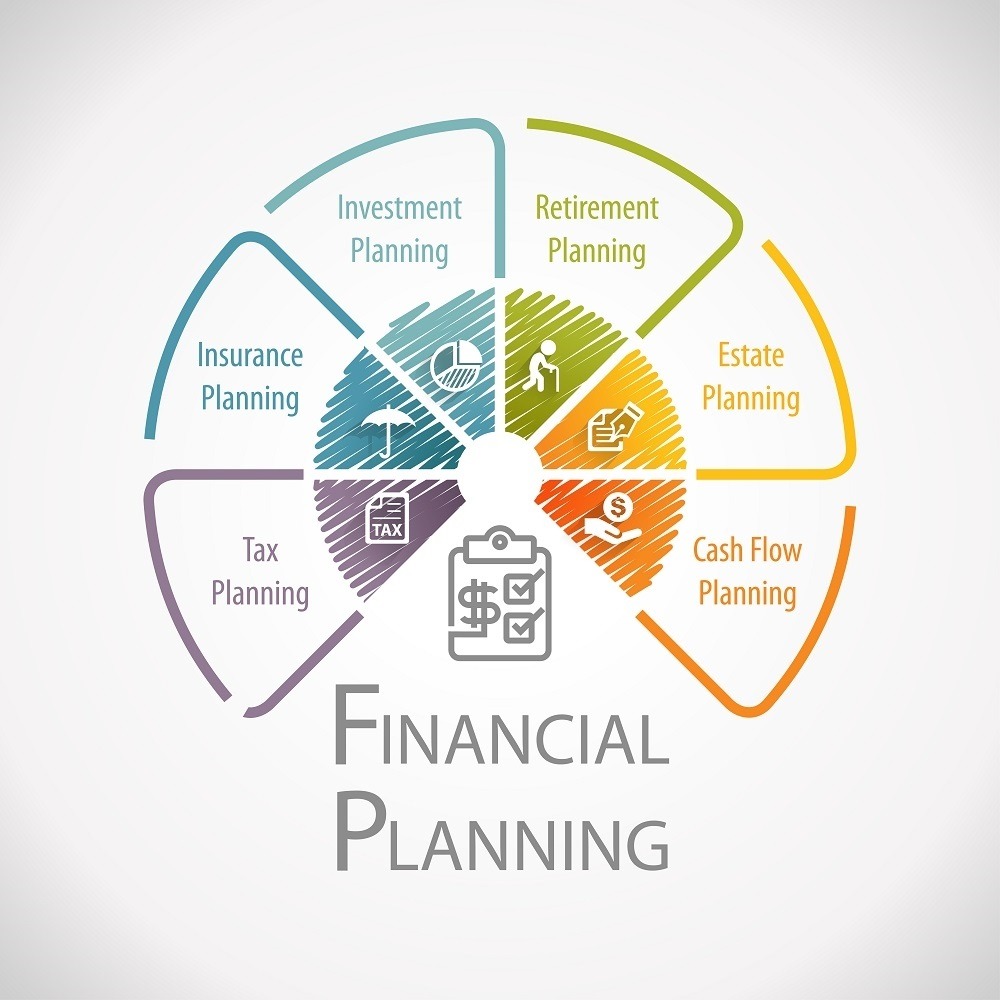
Holistic financial planning is a fancy phrase for something pretty simple: your financial life is connected. Cash flow impacts savings. Insurance choices affect risk. Taxes influence investment results. Retirement income decisions can ripple into estate planning.
When you take a “big-picture” approach, you’re less likely to miss a weak spot, and more likely to make decisions that support the goals that matter most to you.
Below is a practical, step-by-step view of holistic financial planning, written the way I prefer to explain it: clear, straightforward, and focused on what you can actually do next.
What does holistic financial planning include?
A traditional holistic financial plan looks across key areas of your financial life, including:
- Cash flow and net worth (what’s coming in, what’s going out, what you own, and what you owe)
- Risk protection strategies (preparing for financial surprises)
- Property & casualty coverage (home, auto, and liability)
- Life insurance
- Health insurance
- Long-term care planning
- Wealth accumulation strategies (saving and investing)
- Tax-smart investing strategies
- Retirement income planning
- Estate planning strategies
That’s a long list, because real life is complicated. The goal is not to “optimize” everything perfectly. The goal is to make sure the pieces work together.
Step 1: Set goals (and put a timeline on them)
The first step in financial planning is almost always the same: clarify your goals.
A good goal-setting conversation isn’t just “When do you want to retire?” It’s more complete than that. I often encourage families to think in time windows:
- What’s your most important financial goal for the next 6 months?
- What’s your most important goal in the next year?
- What’s your most important goal in the next three years?
- What is your most important goal for years three to five?
- What’s your most important goal for years five to 10?
- What’s your most important goal for more than 10 years from now?
Why do this? Because different goals require different tools.
Money you’ll need next year should generally be treated differently than money you won’t touch for 15 years. And someone five years from retirement tends to face different planning tradeoffs than someone already retired.
Step 2: Understand where you stand now (cash flow and net worth)
Next, we get grounded in reality:
- Cash flow: how much income comes in each month, and what it’s used for.
- Net worth: what you own (assets) and what you owe (liabilities).
This step can feel basic, but it’s essential. You can’t make good financial decisions without understanding your starting point.
For pre-retirees, cash flow clarity often reveals opportunities to increase savings, pay down high-interest debt, or start positioning accounts for retirement income. For retirees, it helps answer a different set of questions: which expenses are “must-haves,” which are flexible, and how health care and inflation might pressure the plan.
Step 3: Risk protection (prepare for the unlikely)
Risk protection is about being prepared for the certainty that something unlikely will happen.
The point isn’t to worry. The point is to prevent a surprise from derailing your goals.
Areas commonly reviewed include:
- Home and auto insurance (including liability coverage)
- Life insurance (if others depend on your income)
- Health insurance (coverage details matter)
- Long-term care planning (a common blind spot)
A practical way to think about this is: if a financial shock happened tomorrow, would it be an inconvenience- or would it change the course of your life?
Step 4: Wealth accumulation (savings and investment strategy)
Once your foundation is in place, you can focus more confidently on building wealth.
Key questions to review:
- How much are you saving—and is it enough to support your goals?
- What do you own across your accounts?
- Do your investments match your timeline and comfort with risk?
- Are you diversified appropriately?
- Do you rebalance in a disciplined way?
- Are you on track to accumulate enough to meet your goals?
This is where many people want to jump first, because investing is visible and interesting. But in holistic financial planning, investing works best when it’s connected to goals, timelines, and risk management.
Step 5: Tax-smart investing (now and later)
Taxes are one of the biggest expenses many families will face over a lifetime, especially as they move from accumulation into retirement income.
Tax-smart investing is about asking:
- Can you own similar investments in different account types and improve your tax outcome?
- Are there ways to reduce current taxes and future taxes?
- How might taxes affect withdrawals and retirement income planning?
- Could estate taxes be a consideration for your family?
The best approach depends on your situation- income, account types, charitable goals, and time horizon. The important part is that taxes aren’t an afterthought.
Step 6: Plan for retirement income (the “paycheck replacement” problem)
Retirement income planning is different from saving for retirement.
Here we focus on sources of income and timing:
- What income do you have in place today?
- How reliable is it, and how long might it last?
- What expenses will change in retirement?
- How will you plan for inflation over a long retirement?
Many retirees will blend multiple income sources- such as Social Security, portfolio withdrawals, and possibly pensions. Social Security is generally designed to provide lifetime income and currently includes cost-of-living adjustments, though future policy changes are always possible.
A careful plan considers not only the amounts, but also the sequencing: which accounts to draw from first, and why. Done well, this can help manage longevity risk, market risk, and tax risk- without relying on unrealistic assumptions.
Step 7: Estate planning (protect your family and your intent)
Every family needs a basic estate plan. Some families need more advanced strategies.
Foundational documents often include:
- Last will and testament
- Financial power of attorney
- Living will / health care directive
- Health care power of attorney
More complex planning may include:
- Planning for minor children
- Planning for heirs with special needs
- Strategies to address potential estate tax exposure
- Planning to support charities or causes you value
Estate planning isn’t only about taxes. Most of the time, it’s about clarity: making sure the right people can help, and your wishes are carried out.
A final thought: look at the process
Holistic financial planning is involved. That’s why many families choose to work with a professional.
If you’re interviewing advisors, two practical questions can help you quickly understand the relationship:
- Will you act in our best interest at all times?
You might also consider talking with a CERTIFIED FINANCIAL PLANNER™ (CFP®) professional. The CFP® mark can be a helpful starting point when you’re looking for someone trained to coordinate retirement, investments, taxes, insurance, and estate planning into one coherent plan.
Ready to connect the dots in your own plan?
If you’d like a second set of eyes on your financial picture, or you want help turning these steps into an organized plan, connect with Rich.
A good first conversation is simply about understanding what’s important to you, what questions you’re trying to solve, and whether holistic planning would add value in your situation. There’s no obligation, and if it’s not a fit, you’ll still leave with more clarity on what to do next.
Reach out to Rich to schedule a brief introductionand start building a plan where your investments, taxes, insurance, and retirement income decisions work together.
This article is for educational purposes only and is not intended as legal or tax advice. Please consult your attorney or tax professional regarding your specific situation.
FAQs
What’s the first step in financial planning if I feel overwhelmed?
Start with goals and timelines, not investments. Clear goals turn “a lot of decisions” into a simple sequence of next steps. Then you can evaluate everything else—cash flow, insurance, investments, and taxes—against those goals.
Do I need a holistic plan if I’m close to retirement (or already retired)?
Yes—because the focus shifts from accumulation to income, taxes, and risk management. In retirement, small changes (like withdrawal order or tax strategy) can have outsized effects over time. A holistic plan helps connect income needs, inflation, health care, and estate wishes.